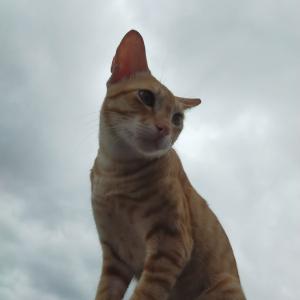
What Is an Orange Tabby?
"Orange tabby" isn't a breed — it's a coat pattern. The orange colour comes from a pigment called pheomelanin, the same pigment that produces red hair in humans. Tabby refers to the striped, spotted, or swirled pattern on the coat. Orange tabbies can be found in many breeds, including Domestic Shorthair, Maine Coon, and British Shorthair.
Are Orange Tabbies Always Male?
A common myth is that all orange tabbies are male. In fact, about 80% of orange tabbies are male and 20% are female. The orange gene is carried on the X chromosome, so males (XY) only need one copy of the gene to be orange, while females (XX) need two. This makes female orange tabbies less common — but not rare.
Personality Traits
While coat colour doesn't strictly determine personality, orange tabby owners consistently report certain traits:
- Friendly and outgoing: Orange tabbies are often described as sociable and affectionate.
- Vocal: Many orange tabbies are chatty and will "talk" to their owners.
- Food-motivated: Orange tabbies have a reputation for loving food — watch their weight!
- Confident: They tend to be bold and curious, exploring new environments readily.
- Good with families: Their sociable nature makes them great family pets.
That said, personality is shaped more by breed, socialisation, and individual temperament than by coat colour.
The "Garfield" Stereotype
Orange tabbies are often associated with the comic-strip cat Garfield — lazy, food-obsessed, and sarcastic. While some orange tabbies do love lounging and eating, many are active and playful. Don't assume your orange tabby will be lazy — they need play and enrichment just like any cat.
Coat Patterns
Orange tabbies come in four distinct patterns:
- Mackerel tabby: Narrow vertical stripes (like a tiger). The most common pattern.
- Classic tabby: Swirls and whorls on the sides. Also called "blotched tabby".
- Spotted tabby: Spots instead of stripes. Seen in breeds like the Bengal and Ocicat.
- Ticked tabby: No obvious stripes, but each hair is banded with colour. Seen in Abyssinians.
Care Tips for Orange Tabbies
- Diet: Orange tabbies love food — measure portions carefully to prevent obesity.
- Grooming: Short-haired orange tabbies need weekly brushing; long-haired varieties need daily brushing.
- Play: Provide interactive toys and daily play sessions to keep them active.
- Vet visits: Annual check-ups are essential. Keep vaccinations and parasite prevention up to date.
Lost an Orange Tabby?
Orange tabbies are distinctive — their bright coat makes them easier to spot than darker cats. If your orange tabby is missing, post a lost-cat alert and be sure to mention the specific pattern (mackerel, classic, spotted) in the description. You can also browse all orange cat reports or filter by breed — for example, orange Maine Coons.